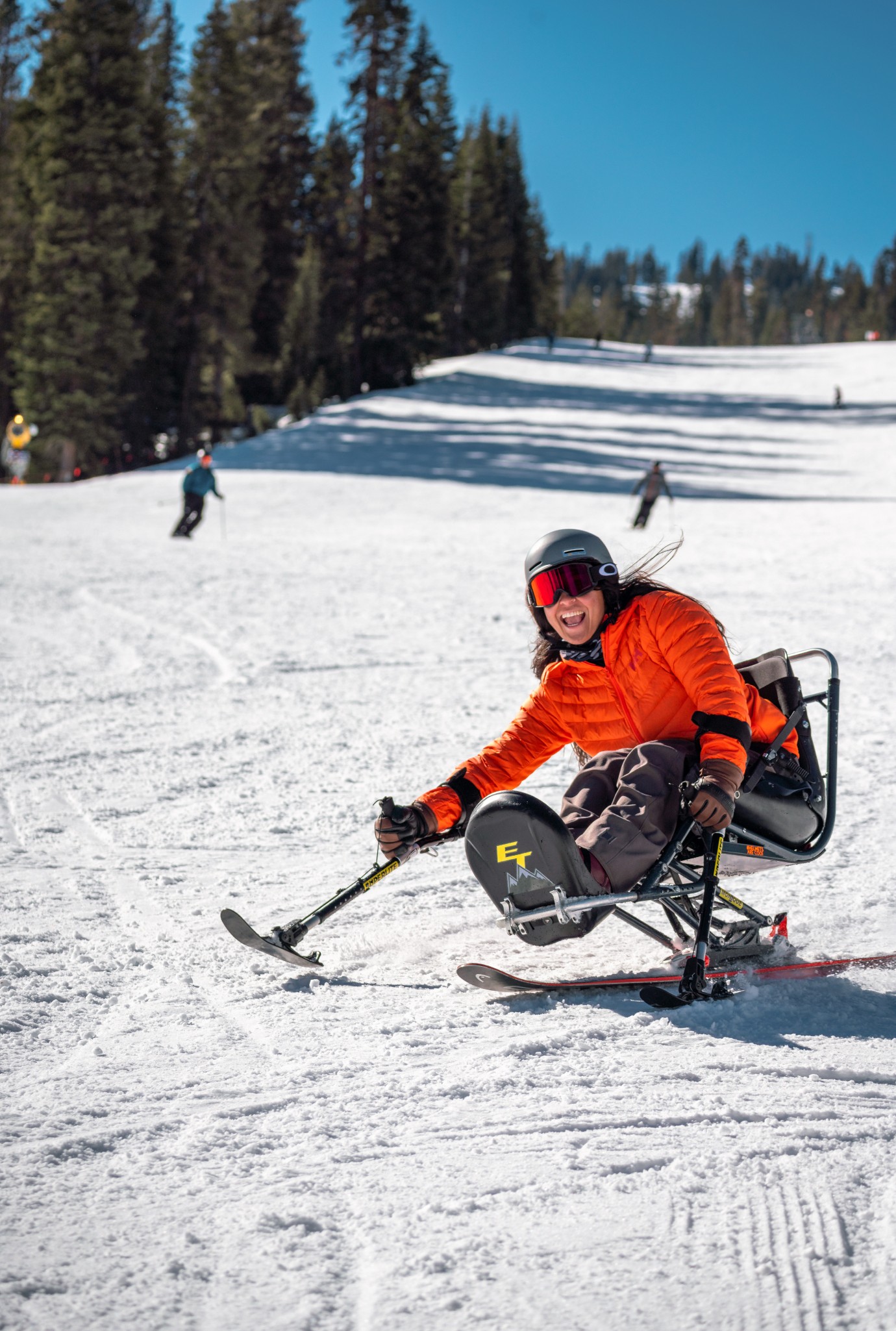
Top 5 Skiing Techniques for Beginners: Mastering the Basics
Beginning your skiing journey can be both exhilarating and intimidating. To help you navigate the slopes with confidence, we've compiled a list of the Top 5 Skiing Techniques for Beginners that will serve as a foundation for your skills. Understanding these techniques will not only enhance your performance but also make your experience on the mountain more enjoyable. Whether you're hitting the slopes for the first time or looking to refine your skills, mastering these basics is essential.
- Snowplow Technique: This basic technique is essential for beginners to control speed and make turns. By forming a wedge shape with your skis, you'll find it easier to slow down and stop.
- Turning: To turn, shift your weight onto the ski that is on the direction you wish to go. Remember to keep your knees slightly bent for better balance.
- Body Position: Maintain a balanced posture by keeping your body centered over your skis. This helps in making smoother turns.
- Using Poles: While they are not crucial for beginners, poles can assist in balance and rhythm once you're comfortable on the slopes.
- Look Ahead: Always keep your eyes looking down the slope rather than at your skis to maintain awareness of your surroundings and prepare for any changes ahead.
The Psychology of Skiing: How Adventures on the Slopes Transform You
The Psychology of Skiing reveals how the adrenaline-fueled rush of gliding down the slopes impacts our mental state. Engaging in this thrilling sport not only enhances physical fitness but also stimulates the brain's reward centers, releasing endorphins that promote feelings of happiness and contentment. The unique environment of skiing fosters a sense of connection to nature, as well as a break from the daily grind, allowing the mind to reset. Each descent can be seen as a metaphor for overcoming life's challenges, teaching resilience and the art of embracing fear. This transformative experience encourages mindfulness, where every turn requires focus and presence, granting skiers a greater appreciation for the moment.
Moreover, the social aspects of skiing significantly contribute to its psychological benefits. Whether sharing the thrill of a challenging run with friends or bonding over the experience of learning at a ski school, these interactions nurture relationships and build a sense of community. Additionally, the atmosphere on the slopes fosters camaraderie, where skiers support one another, creating a collective experience of joy. As we step out onto the mountain, we not only challenge our physical limits but also engage in a collective journey of self-discovery and personal growth, ultimately transforming us into more resilient and fulfilled individuals.
What to Pack for Your Next Ski Trip: Essential Gear for Adventurers
Planning your next ski trip can be exhilarating, but packing the right gear is essential for an enjoyable adventure. First and foremost, ski clothing should be at the top of your list. Opt for moisture-wicking base layers, an insulating mid-layer, and a waterproof outer shell to keep you warm and dry on the slopes. Don't forget accessories like a warm hat, gloves, and thermal socks. Additionally, ensure you have ski goggles or sunglasses to protect your eyes from the sun and snow glare.
Your ski equipment is another vital aspect of your packing list. Depending on whether you own your gear or plan to rent, make sure to pack the essentials:
- Skis or snowboard
- Ski poles
- Boots
- Bindings